Vertical Farming
Vertical Farming
Vertical farming is the practice of growing crops in vertically stacked layers. It often incorporates controlled-environment agriculture, which aims to optimize plant growth, and soilless farming techniques such as hydroponics, aquaponics, and aeroponics. Some common choices of structures to house vertical farming systems include buildings, shipping containers, underground tunnels, and abandoned mine shafts.
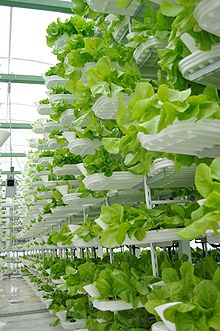
The main advantage of utilizing vertical farming technologies is the increased crop yield that comes with a smaller unit area of land requirement. The increased ability to cultivate a larger variety of crops at once because crops do not share the same plots of land while growing is another sought-after advantage. Additionally, crops are resistant to weather disruptions because of their placement indoors, meaning less crops lost to extreme or unexpected weather occurrences. Lastly, because of its limited land usage, vertical farming is less disruptive to the native plants and animals, leading to further conservation of the local flora and fauna.


Comments
Post a Comment